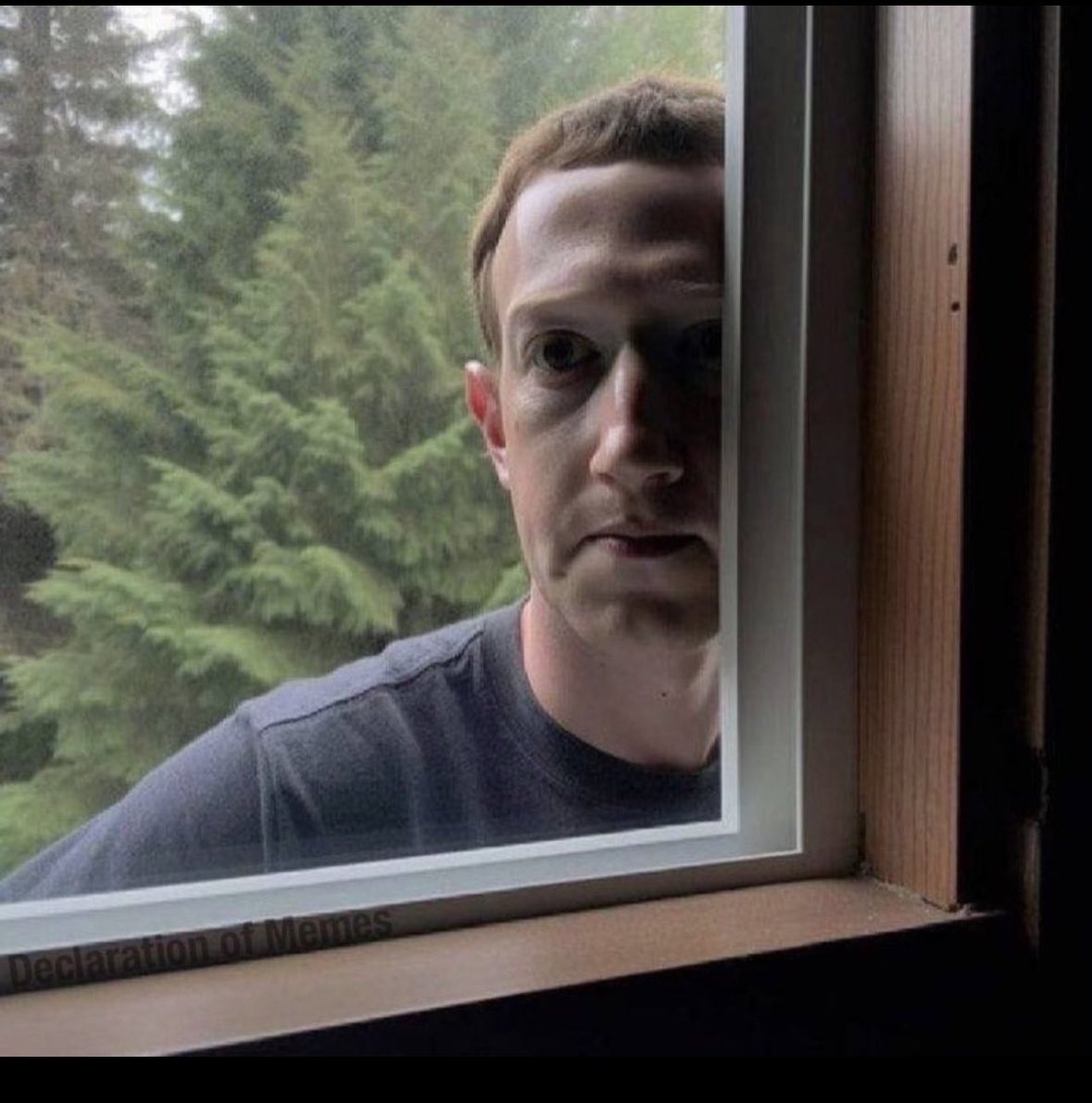
The Power of a Meme: How Mark Zuckerberg’s Kneeling Post Reshaped Digital Activism
The Power of a Meme: How Mark Zuckerberg’s Kneeling Post Reshaped Digital Activism
<90% of internet users have encountered the Mark Zuckerberg kneeling meme at some point—a viral snapshot that ignited global conversations about accountability, power, and social justice. This simple image, captured during a 2020 civil rights demonstration, transformed a private moment into a cultural flashpoint, demonstrating how a single gesture can redefine public discourse. Far more than a joke, the meme emerged as a potent symbol within the broader landscape of digital activism, reflecting deep-seated tensions between corporate leadership and societal expectations.
The moment unfolded on June 2, 2020, when reporter Gabriel Burns photographed Chief Executive Officer Mark Zuckerberg kneeling during a protest outside Meta’s headquarters (formerly Pain Point) in Menlo Park, California. The Nation, a progressive news outlet, shared the image widely, captioning it with context about systemic racism and police violence. What followed was an explosion of digital response—users reposted the photo, joking and critical variants alike, as social media algorithmically amplified its reach.
Within hours, “#ZuckerbergKneels” trended globally; the hashtag appeared in tweets from thousands, blending satire with serious commentary.
The meme’s rapid ascent highlights a pivotal shift: the blending of personal symbolism with collective mobilization. Initially, reaction ranged from playful mockery—memes showing Zuckerberg in unlikely kneeling positions—to pointed calls for change, where audiences recontextualized the gesture as a demand for leadership responsibility.
As Marcus Digital, a media analyst, noted, “Memes often simplify complex narratives, but this one compressed a historic moment into visual irony. The kneeling posture—once personal to a protest—became a viral call for accountability.” This duality ensures the meme resonated across ideological lines, appealing to both digital natives engaging for irony and concerned citizens seeking justice.
The cultural impact extends beyond internet user behavior.
For Meta, the moment thrust the company into an intensified scrutiny of its public stance on social issues. Zuckerberg’s apparent physical gesture—kneeling rather than symbolic—became a proxy for broader debates about corporate leadership in racial justice movements. His office released a brief statement: “We remain committed to advancing equity, and this moment underscores how our actions must match our words.” Critics, however, viewed the photo as a performative act, suggesting performative allyship rather than structural change.
This tension exemplifies how modern activism leverages visual culture to demand depth—memes serve not just as commentary but as accountability tools.
Key elements that drove the meme’s virality include:
- Visual Simplicity: The single image of Zuckerberg kneeling is rich in symbolic contrast—power versus submission, CEO versus protester.
- Contextual Depth:
- The kneeling gesture originated from real-world protests against racial injustice,


Related Post

Brooke Shields’ Aristocratic Roots: The Legacy of Her Legendary Father, N. Shields

Joy Behar and Harrison Ford Unveil Raw Honesty in Candid Interview on Resilience, Legacy, and Life’s Hidden Balancing Act

Oscar Maximilian Jackman: A Rising Force Redefining Talent Across Industries

Rob Dyrdek’s Fantasy Factory Big Cat: Where Pop Culture Fuses with High-Concept Toy Design