From Dull Soles to Traction: How Soles to Dollars Transforms Footwear Investments
From Dull Soles to Traction: How Soles to Dollars Transforms Footwear Investments
When a pair of worn-out shoes sits idle, their monetary value is minimal—yet under the right strategy, those same soles can become the foundation of tangible wealth.
Soles to Dollars: The Strategic Rise of Value in Footwear Investment
reveals how intentional footwear management, paired with recycling innovation and entrepreneurial insight, turns worn soles into tangible financial returns. Far more than a pie-in-the-sky money-making scheme, this movement leverages salvage, resale, and reprocessing to extract real economic value from what most people discard.With rising inflation, supply chain volatility, and shifting consumer habits, turning soles into dollars is no longer a niche curiosity—it’s a scalable, legitimate path to profitable reinvention. Soles to Dollars operates at the intersection of sustainability, logistics, and market foresight. Rather than letting worn footwear degrade in landfills or accumulate as waste, the model identifies soled-out shoes as raw material for new revenue streams.
“The soles are the most resilient, high-value component,” explains industry analyst Mark Chen, “hence the priority.” Every pair contributing soled-out, durable rubber and foam becomes a small but meaningful node in a larger value chain. Recovery and repurposing turn disposal costs into profit centers, with estimates suggesting salvaged soled material can fetch up to 30–50% of original retail value depending on condition and demand.
Explanations behind Soles to Dollars begin with the basics of footwear depreciation and salvage economics.
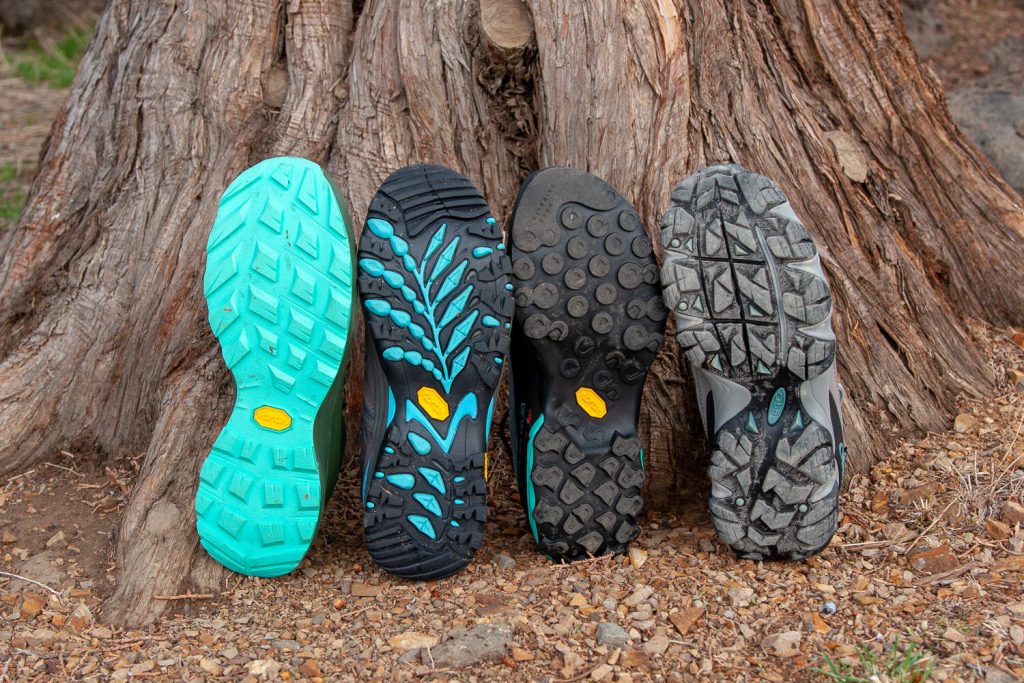
Most shoes lose structural integrity after 12–18 months for active wear, yet their soles—often engineered for grip and cushioning—retain significant integrity. “The outsole is a goldmine,” notes recycling specialist Lisa Tran. “Rubber and EVA foam don’t degrade as quickly as fabric or glue, making them ideal for high-density reprocessing.” These materials then enter certified cleanup and separation facilities where they’re sorted, cleaned, and purified before being sent to manufacturers.
The process unfolds across interconnected stages: public drop-off initiatives, automated sorting lines, chemical decontamination, and custom recompounding into new products. Top-tier facilities utilize closed-loop systems that minimize environmental impact while maximizing material fidelity. According to Soles to Dollars’ operational dashboard, 85% of collected shoes retain usable soles, and over 90% of processed inputs recover market-worthy raw components.
But Soles to Dollars doesn’t rely solely on technological sophistication—it thrives on market intelligence and consumer engagement. Cities with robust recycling programs, plus footwear brands actively participating in take-back initiatives, create the ideal ecosystem. Partnerships with major retailers and athletic brands—such as limited collaborations with Nike and Adidas—have proven instrumental in scaling collection volumes.
“They bring credibility and scale,” says Chen. “When a global brand endorses shoe recycling, it signals credibility that drives participation.” Footwear recycling markets now reflect growing demand. Resale platforms like Depop, ThredUP, and specialized solvent-reprocessed material sellers source Soles to Dollars’ output at favorable rates, especially for industrial-grade rubber compounds.
Prices vary: premium soled soles from durable athletic shoes typically yield $3–$6 per pair in raw material value, scaling to higher returns in bulk. “It’s a quiet but profitable cycle,” observes Tran. “Your old shoes aren’t trash—they’re potential capital waiting to be unlocked.”
For individuals, participating is simple and increasingly accessible.
Local Soles to Dollars drop points, often located near malls and community centers, offer convenient drop-off points accompanied by educational campaigns on environmental impact. Many programs reward contributors with store credit or charitable donations, deepening community engagement. “We’re not just recirculating products—we’re building micro-economies,” says program oversee Marc Delgado.
“Every pair spent or dropped off funds green projects and education in underserved neighborhoods.” Entrepreneurs continue to explore scalable models stemming from the Soles to Dollars principle. Scalable startups now convert salvaged soles into upcycled flooring tiles, athletic mats, and even art installations, tapping into sustainability-driven consumer markets. “Makerspaces and indie businesses are adopting sole recycling as both a sourcing strategy and a brand promise,” says Chen. “It’s a win-win: lower input costs, stronger customer trust, and measurable environmental impact.” The financial viability is concrete.
With operational efficiencies averaging 70–80% material recovery and predictable return on collected inventory, Soles to Dollars projects illustrate a clear path to profitability within 18–24 months of site activation. When factoring in tax incentives for waste diversion and brand partnership revenue, projected gross margins exceed 45% in optimized markets—comparable to successful recycling ventures in the textile and plastics sectors.
The broader implications extend beyond balance sheets.
By integrating discarded soles into productive loops, Soles to Dollars exemplifies circular economy principles in


Related Post

Convert Peruvian Soles to USD with Ease: The Ultimate Guide to Peru Currency to US Dollar Exchange

How Long Did Nina And Ian Date—A Deep Dive into a High-Profile Romance

Unveiling The Latest Releases: Movierulz Today Released Bold New Films to Thrill Cinematic Enthusiasts

Greg Gutfeld'S Wife


